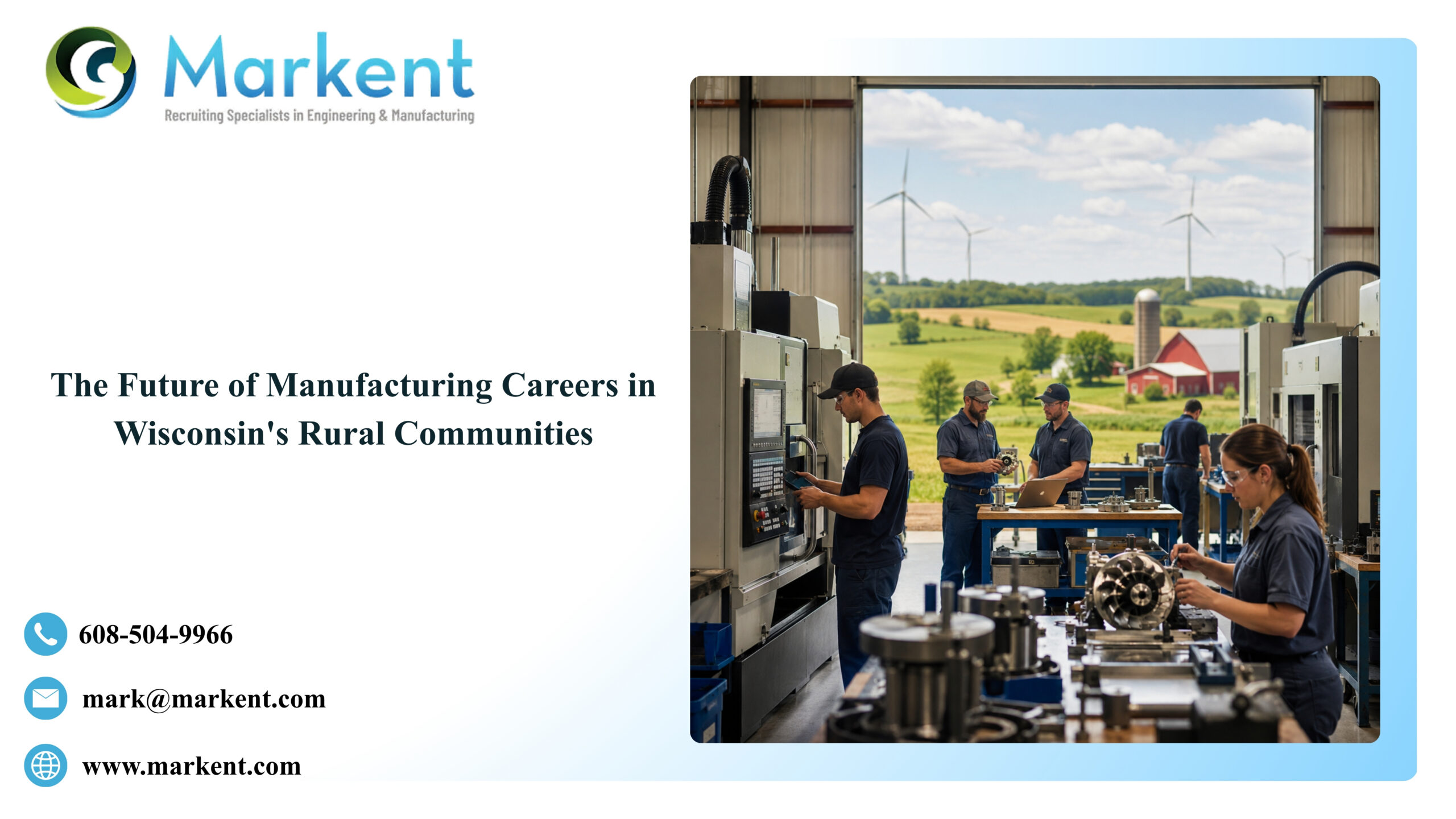
Manufacturing has long been a cornerstone of Wisconsin’s economy, contributing significantly to the state’s economic output while supporting thousands of businesses, communities, and generations of skilled workers. Although many professionals once believed the best manufacturing careers were concentrated in large metropolitan areas, today’s manufacturing landscape tells a different story. Across rural Wisconsin, manufacturers are modernizing facilities, expanding operations, and creating high-quality careers that offer long-term stability, competitive compensation, and meaningful opportunities for professional growth.
Modern manufacturing has evolved far beyond traditional production lines. Today’s facilities increasingly utilize advanced automation, robotics, computer-integrated manufacturing, industrial sensors, artificial intelligence, data analytics, and sophisticated quality systems to improve productivity and remain globally competitive. While the pace of technology adoption varies by company and industry, manufacturers across Wisconsin are investing in equipment and employees alike. As a result, many rural communities are becoming attractive destinations for professionals seeking challenging careers combined with an exceptional quality of life.
For job seekers, employers, and recruiters, Wisconsin’s rural manufacturing sector represents one of the state’s most promising long-term employment markets.
A New Era of Manufacturing
Manufacturing has undergone a remarkable transformation over the past decade. Advances in digital technology have changed nearly every aspect of how products are designed, engineered, manufactured, inspected, and delivered to customers around the world.
Today’s manufacturing facilities increasingly rely on sophisticated equipment, automation, and data-driven decision-making that require employees with specialized technical skills, strong analytical abilities, and a commitment to continuous improvement. Collaborative robots (cobots), CNC machining centers, automated material handling systems, predictive maintenance software, additive manufacturing, and real-time production monitoring have become common in many sectors, although implementation varies based on company size and product complexity.
This evolution has created strong demand for professionals in areas such as:
- CNC machining and precision manufacturing
- Robotics programming and industrial automation
- Industrial maintenance and mechatronics
- Mechanical, electrical, manufacturing, and industrial engineering
- Product design and development
- Supply chain, logistics, and procurement
- Quality engineering, quality assurance, and quality control
- Production planning and operations management
- Welding and metal fabrication
- Electrical, controls, and mechanical maintenance
- Continuous improvement and Lean manufacturing
- Manufacturing leadership and plant management
These careers offer far more than stable employment. They provide opportunities for lifelong learning, industry certifications, apprenticeships, leadership development, tuition assistance, and advancement into supervisory and executive leadership positions. As manufacturing technologies continue to evolve, employers increasingly value individuals who are eager to learn and grow alongside the industry.
Why Rural Wisconsin Is Becoming a Manufacturing Destination
Wisconsin has earned a national reputation for manufacturing excellence. Rather than concentrating exclusively in major cities, many successful manufacturers continue to invest in smaller cities and rural communities where they have longstanding roots, access to skilled labor, and room for future expansion.
Several factors contribute to this ongoing success.
Strong Manufacturing Heritage
Many rural communities possess generations of experience in manufacturing, agriculture, engineering, machining, metal fabrication, and skilled trades. This heritage has helped develop a workforce recognized for technical ability, dependability, craftsmanship, and practical problem-solving.
Competitive Business Environment
Compared with many urban areas, rural communities often offer lower real estate costs, reduced operating expenses, easier facility expansion, and reliable infrastructure. These advantages allow manufacturers to direct more resources toward capital investment, automation, employee development, and research and development.
Workforce Development Partnerships
Wisconsin’s nationally respected technical college system plays a critical role in preparing the manufacturing workforce. Local technical colleges, high schools, workforce development organizations, and manufacturers frequently collaborate to offer apprenticeships, internships, customized training, dual-credit programs, and continuing education that strengthen local talent pipelines.
Exceptional Quality of Life
For many professionals, rural Wisconsin offers an attractive balance between career advancement and personal well-being. Employees often benefit from:
- Affordable housing
- Shorter commute times
- Lower overall cost of living
- Safe, family-oriented communities
- Access to lakes, parks, hunting, fishing, hiking, and outdoor recreation
- Strong community involvement and local connections
Many professionals discover they can build rewarding careers while enjoying a healthier work-life balance than is often possible in larger metropolitan areas.
The Skills Employers Value Most
As manufacturing becomes increasingly technology-driven, employers are seeking professionals who possess both technical expertise and strong interpersonal skills.
While mechanical knowledge and technical training remain essential, today’s manufacturers place growing importance on employees who can adapt to changing technology, collaborate across departments, communicate effectively, and continuously improve processes.
Highly valued skills include:
- Mechanical and electrical aptitude
- Critical thinking
- Troubleshooting and problem solving
- Communication and teamwork
- Digital and computer literacy
- Reliability and accountability
- Adaptability and continuous learning
- Leadership potential
- Attention to detail
- Commitment to workplace safety
- Project management and organizational skills
Recognizing the ongoing shortage of skilled manufacturing talent, many employers are expanding investments in apprenticeships, tuition reimbursement, mentoring programs, leadership development, technical certifications, and cross-training.
These initiatives also create opportunities for individuals transitioning from construction, military service, transportation, agriculture, automotive repair, maintenance, utilities, and other technically oriented occupations.
Technology Isn’t Replacing Workers, It’s Changing How They Work
One of the most persistent misconceptions about manufacturing is that automation eliminates jobs.
The reality is more nuanced.
Automation often replaces repetitive, physically demanding, or hazardous tasks while increasing demand for employees who can install, program, maintain, troubleshoot, optimize, and improve automated systems. Although some routine positions may decline over time, technological advancement has created entirely new career paths that scarcely existed a generation ago.
Today’s manufacturing professionals increasingly spend their time:
- Operating advanced production equipment
- Programming and monitoring automated systems
- Troubleshooting equipment and production issues
- Performing predictive and preventive maintenance
- Improving production efficiency
- Analyzing manufacturing data
- Supporting Lean and continuous improvement initiatives
- Collaborating across engineering, operations, maintenance, and quality teams
Technology performs repetitive work while skilled employees apply judgment, creativity, technical expertise, and collaboration to solve problems, improve processes, and drive innovation.
The manufacturing workforce of the future will increasingly be defined by individuals who combine technical competence with adaptability, curiosity, and strong communication skills.
Career Growth Opportunities
Manufacturing continues to offer excellent opportunities for long-term career advancement.
Many employees begin in production, machining, maintenance, assembly, or technician roles before progressing into quality engineering, manufacturing engineering, production supervision, operations management, supply chain leadership, or executive positions.
To support employee development, many manufacturers provide:
- Leadership development programs
- Cross-functional training
- Industry certifications
- Tuition reimbursement
- Registered apprenticeship programs
- Mentorship opportunities
- Professional development workshops
- Internal promotion pathways
By investing in employee growth, manufacturers strengthen leadership pipelines, improve retention, and enhance organizational performance.
For ambitious professionals, manufacturing remains one of the few industries where individuals can build rewarding careers through a combination of education, experience, and continuous skill development.
Why This Matters for Recruiters
Recruiting manufacturing talent has become increasingly competitive. An aging workforce, continued demand for skilled trades and engineers, and evolving technology have intensified competition for qualified candidates.
Today’s candidates evaluate much more than compensation when considering career opportunities.
They also seek employers that provide:
- Long-term career stability
- Modern equipment and technology
- Training and professional development
- Positive workplace culture
- Competitive compensation and benefits
- Effective leadership
- Opportunities for advancement
- Meaningful work that contributes to innovative products
Recruiters who effectively communicate these advantages are more likely to attract highly qualified candidates and build long-term relationships.
Employer branding has also become increasingly important. Manufacturers that showcase employee development, modern facilities, community involvement, innovation, and positive workplace culture often enjoy a significant advantage in today’s competitive labor market.
Looking Ahead
The future of manufacturing in Wisconsin’s rural communities remains highly promising.
Manufacturers continue to invest in automation, digital manufacturing technologies, cybersecurity, workforce development, energy efficiency, and sustainable production practices. At the same time, educational institutions are expanding technical education while strengthening partnerships with employers to prepare the next generation of skilled workers.
Although manufacturers continue to face challenges, including labor shortages, global competition, supply chain disruptions, and rapidly changing technologies, the industry’s long-term outlook remains positive. Companies that successfully embrace innovation while investing in people will be well positioned for future growth.
For job seekers, this means access to careers that offer stability, competitive wages, continuous learning, and opportunities for advancement.
For employers, it means building resilient, highly skilled workforces capable of sustaining innovation and long-term competitiveness.
For recruiters, it presents an opportunity to connect exceptional talent with organizations that are shaping the future of American manufacturing.
Final Thoughts
Manufacturing is entering one of the most dynamic periods in its history, and Wisconsin’s rural communities are playing an important role in that transformation. Innovation, automation, advanced engineering, and workforce development are creating opportunities that extend far beyond traditional factory jobs.
Whether you’re exploring a new career, expanding your workforce, or recruiting specialized talent, rural Wisconsin offers a compelling combination of advanced manufacturing, skilled employees, strong educational partnerships, supportive communities, and long-term career potential.
The next generation of manufacturing professionals is already emerging throughout these communities. As investment in technology, employee development, and operational excellence continues, rural Wisconsin will remain a vital contributor to both the state’s economy and the future of American manufacturing.